


Pregnancy Looks: How to Dress If You Are Expecting
If you’re looking for how to create a good maternity look, the real need is usually clear: you want to feel comfortable, look good, and maintain your personal style as your body changes. Pregnancy doesn’t mean giving up your aesthetic identity; it means adapting it thoughtfully.
In this guide, you’ll find which garments work, how to choose maternity clothes, which cuts are most flattering in each trimester, and how to create cohesive maternity looks without filling your wardrobe with pieces you’ll wear for only a few months.
How to dress during pregnancy: basic principles
Before discussing specific garments, it is useful to understand what changes and what you should prioritize.
During pregnancy, the body’s proportions change: the abdomen becomes larger, posture changes, and sensitivity in the breasts and hips may vary. This requires adjustments in:
- Fabric stretch
- Waist height
- Pattern structure
- Garment length
A good maternity look is based on three pillars: genuine comfort, thoughtful structure, and consistency with your usual style.
How does maternity clothing differ from conventional clothing?
Not all loose-fitting clothing is maternity clothing. Maternity clothing is designed with specific pattern-cutting to accommodate the abdomen’s gradual growth without distorting the silhouette.
- Common features:
- Elastic panels at the waist
- Seams shaped to accommodate the belly
- Fabrics with a high percentage of elastane
- High waistlines that cover the abdomen
This makes all the difference compared with simply “sizing up,” which often creates excess volume around the shoulders or back.


Which garments work best for a maternity look?
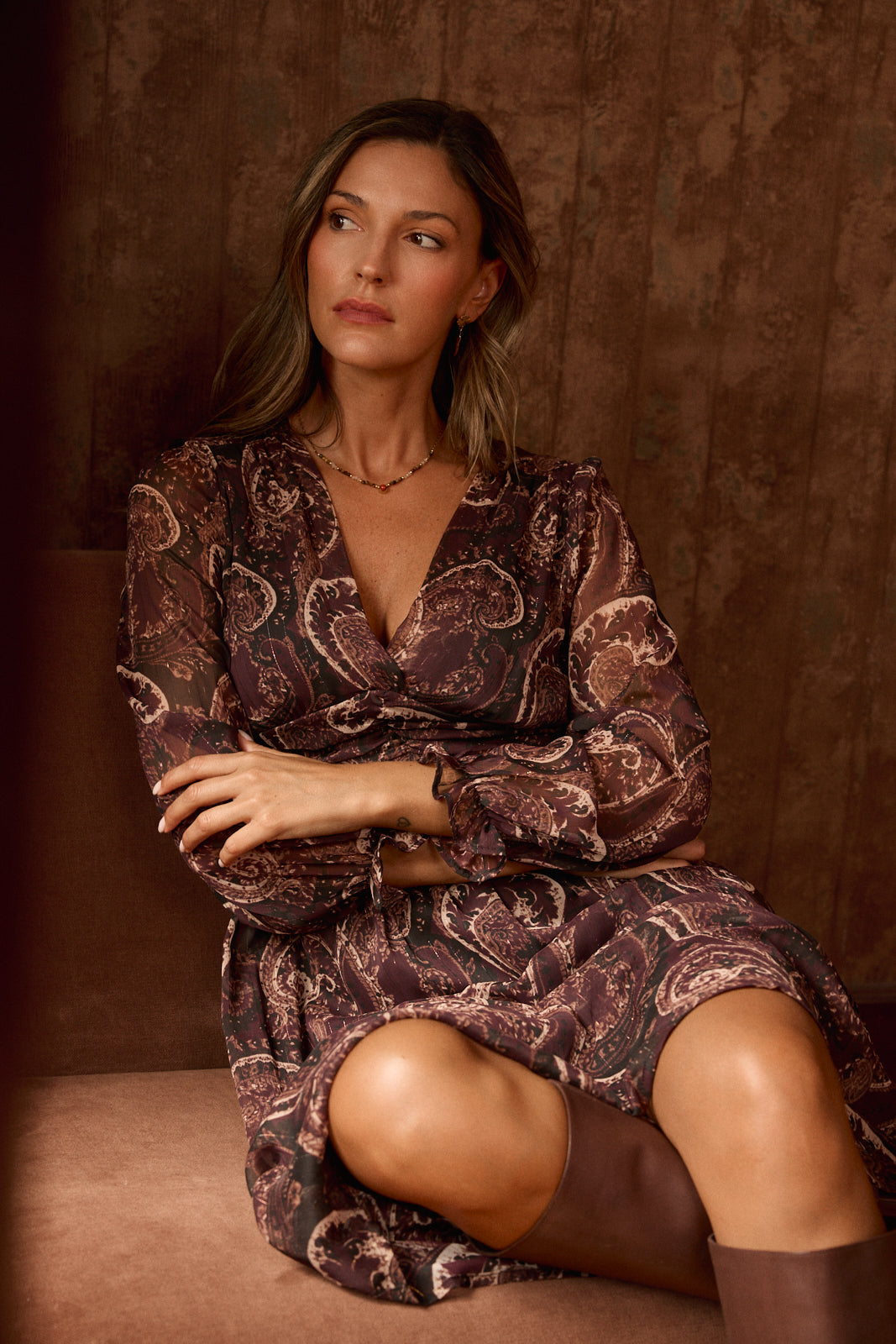
Wrap dresses or empire-waist dresses
A dress is the most versatile garment during pregnancy. Empire-waist styles, with the waistline just below the bust, allow the fabric to drape over the abdomen without constricting it.
Wrap or crossover dresses offer an adjustable fit and can continue to be worn after pregnancy.
What to look for:
- Fabric with slight stretch
- Midi length to balance proportions
- V-necks that create a more flattering visual effect
Maternity trousers with an adjustable panel
Maternity trousers feature adjustable waistbands that accommodate growth. There are two main styles:
- Full panel over the abdomen
- Low elastic band under the belly
Straight or slightly wide-leg trousers maintain visual balance and prevent the lower half from looking heavy.
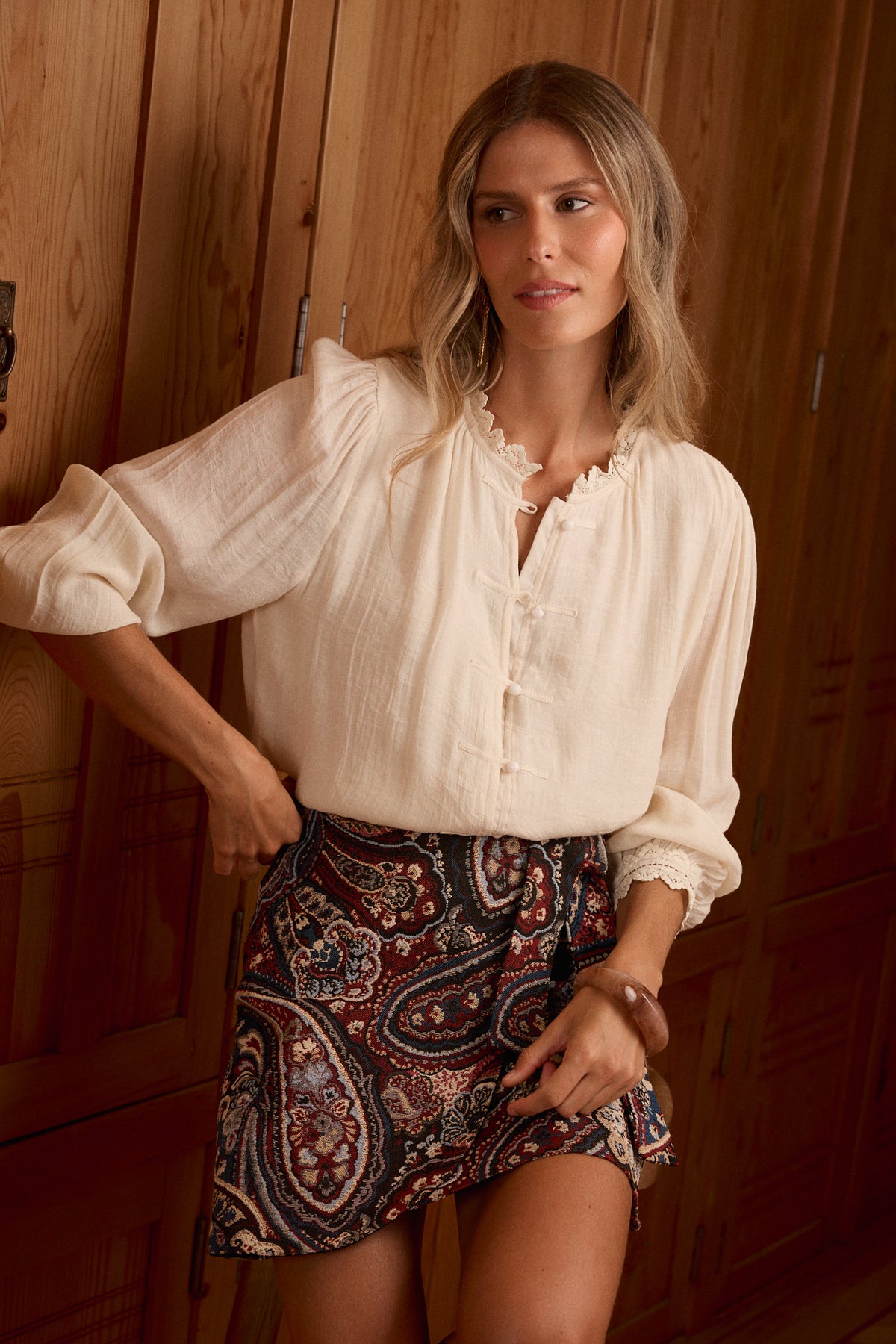
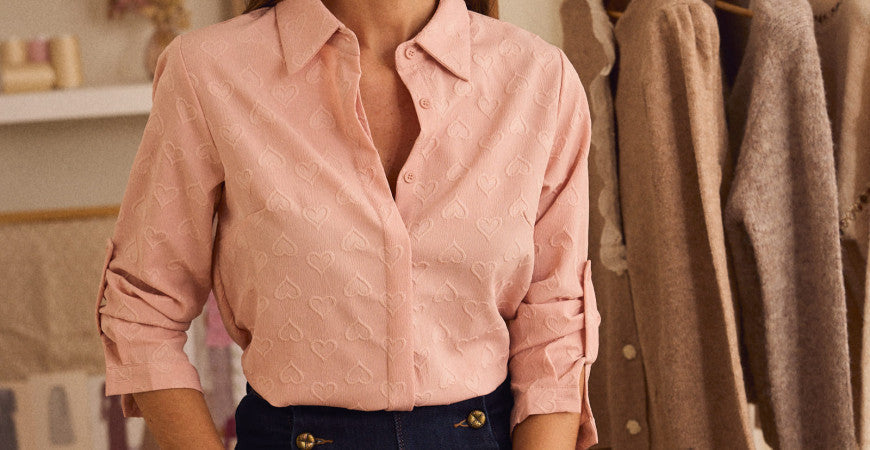
Shirts and blouses with a natural drape
Structured shirts can pull across the midsection. Instead, these work better:
- Blouses with gathers under the bust
- Well-proportioned oversized shirts
- Draping fabrics that don't create tension
A maternity look doesn't need to hide the belly. It can integrate it as a natural part of the silhouette.
Strategic knitwear
Knitwear is one of the best allies for maternity outfits. It adapts to the body without constricting and provides thermal comfort.
What to choose:
- Straight-cut sweaters
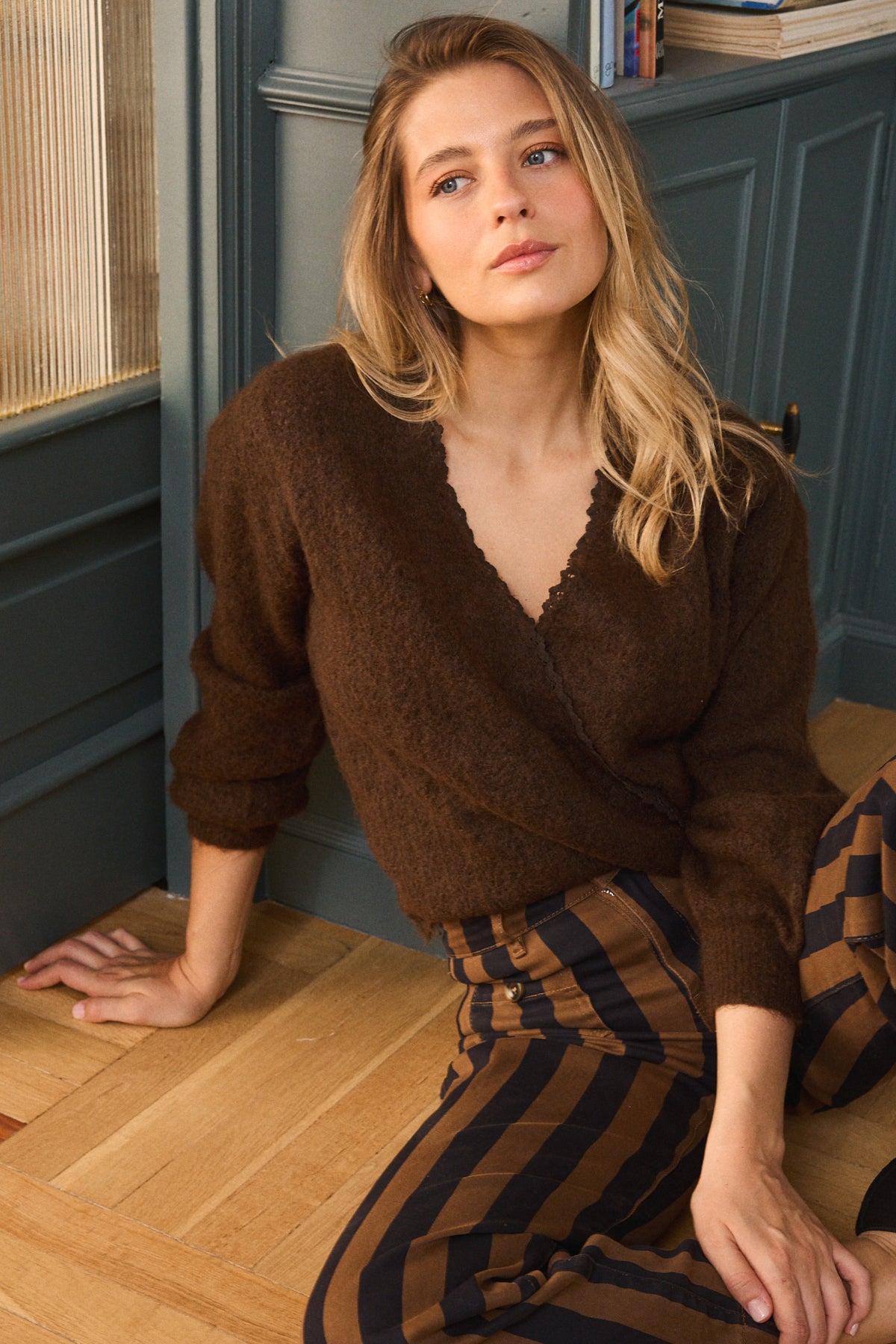
- Open cardigans that frame the silhouette
- Stretch-knit dresses with good recovery
Avoid overly fine knits that lose their shape with wear.
Pregnancy looks by trimester
Each stage of pregnancy requires different adjustments.
First trimester
During this phase, many women still don't need specific maternity clothes. The abdomen is beginning to change, but the priority is usually comfort and avoiding pressure around the waist.
They work well:
- Straight-cut dresses
- Trousers with an elastic waistband
- Open blazers
Second trimester
The belly is now visible, and conventional clothing is starting to feel uncomfortable.
It's the ideal time to:
- Introduce maternity trousers
- Opt for wrap dresses
- Incorporate more flexible fabrics
This is when the most balanced maternity looks come together.
Third trimester
The abdominal volume is greater and posture changes.
It's worth prioritizing:
- Soft fabrics with genuine stretch
- Garments that don't create tension in the back
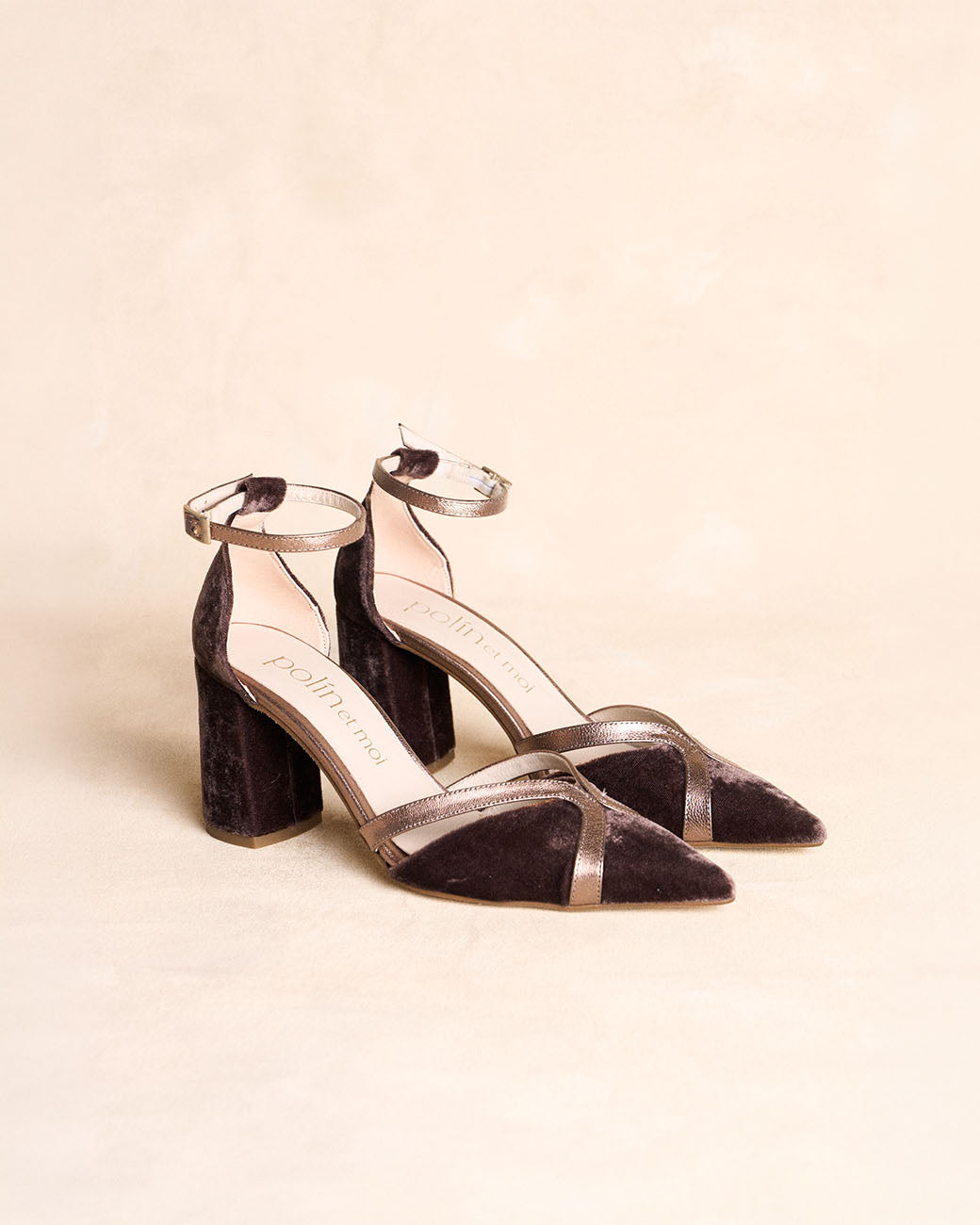
- Stable footwear
A good maternity look at this stage focuses on balance and comfort without losing aesthetic intention.


How to maintain your personal style during pregnancy
One common mistake is radically changing your aesthetic when looking for maternity clothes. It isn't necessary.
If your style is minimalist:
- Neutral tones
- Clean silhouettes
- Monochromatic dresses
If you prefer a romantic feel:
- Soft floral prints
- Sleeves with subtle volume
- Bows or delicate details
If your style is more contemporary:
- Monochromatic looks
- Wide-leg trousers with a fitted top
- Structured blazers
Pregnancy changes the body, not the identity.
Common mistakes when creating maternity outfits
Buying larger sizes instead of maternity clothes
This often makes the shoulders and sleeves look disproportionate without addressing the fit around the abdomen.
Prioritizing comfort alone without structure
Too many oversized garments can create a careless appearance. Structure at the shoulders or neckline balances the outfit.
Ignoring footwear
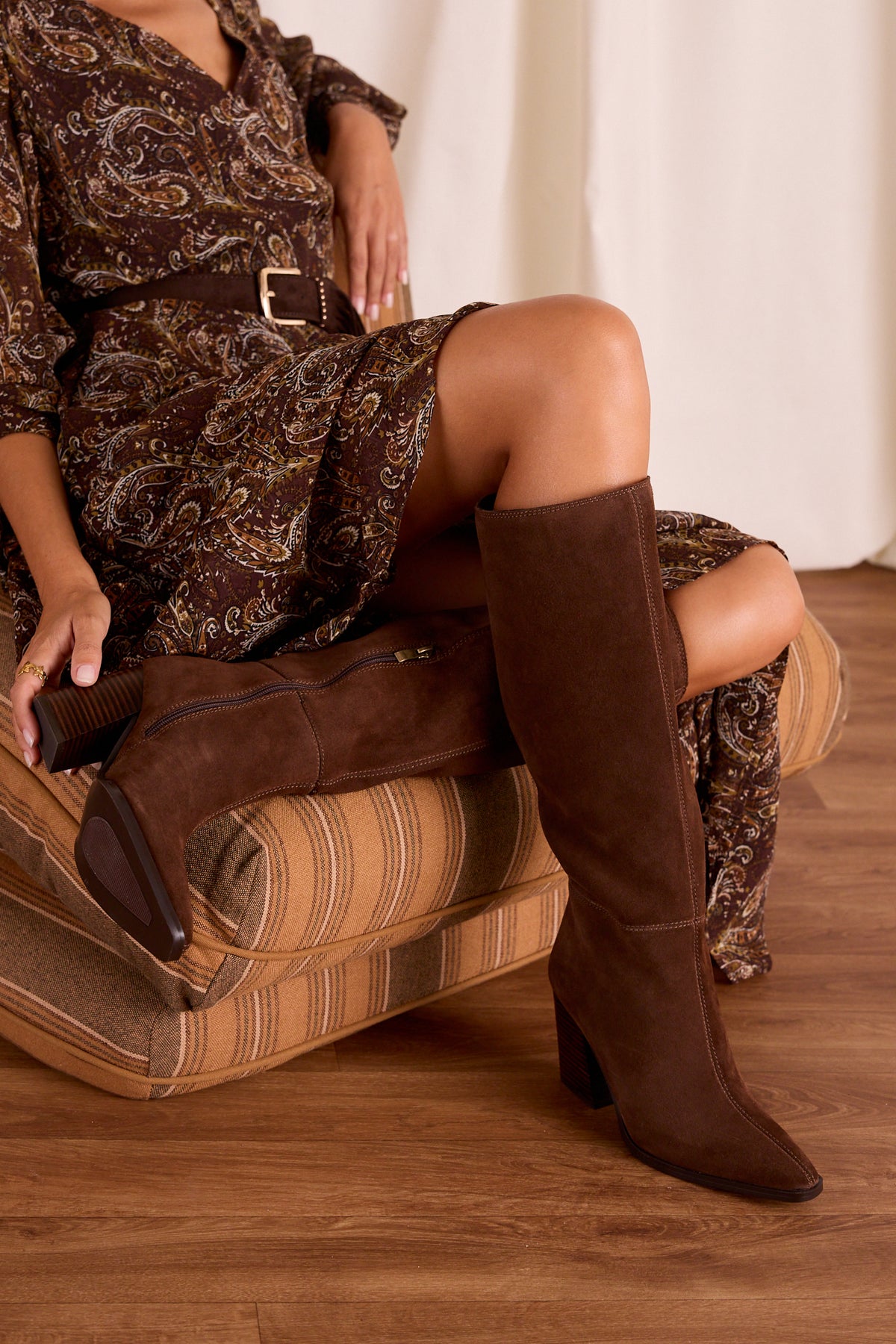
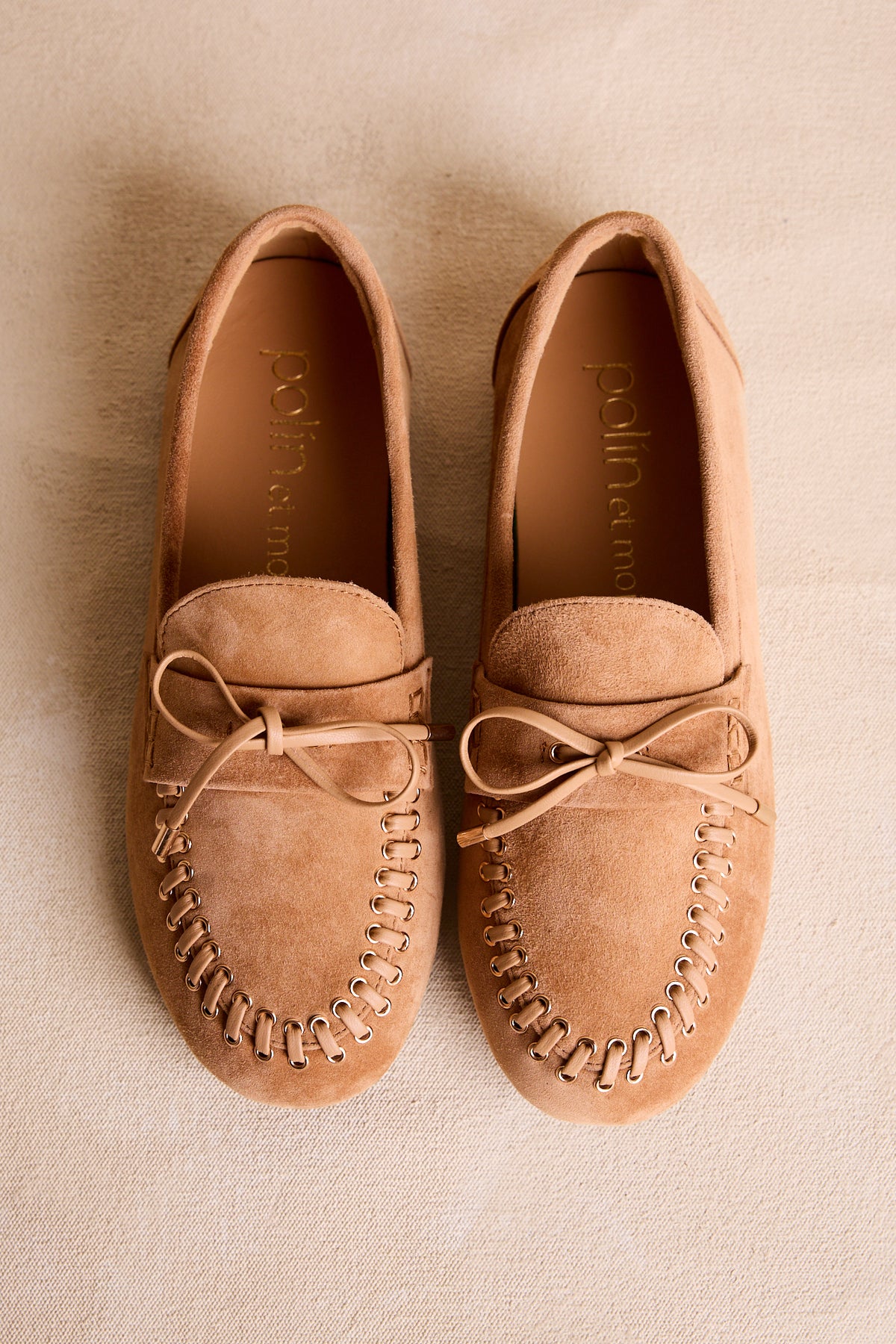
Changes in weight and posture require stable footwear. Avoid very thin heels in the later stages.
Buying too much
Pregnancy lasts for a limited time. It is better to invest in a few versatile pieces that can be combined with one another.
How to create a maternity capsule wardrobe
A functional maternity wardrobe can be built with:
- 2 versatile dresses
- 1 pair of black maternity trousers
- 1 pair of light-colored trousers or maternity jeans
- 3 mix-and-match tops or blouses
- 1 blazer or structured jacket
- 1 cardigan
With these pieces, you can create multiple pregnancy looks without overcrowding your wardrobe.
Maternity looks for different occasions
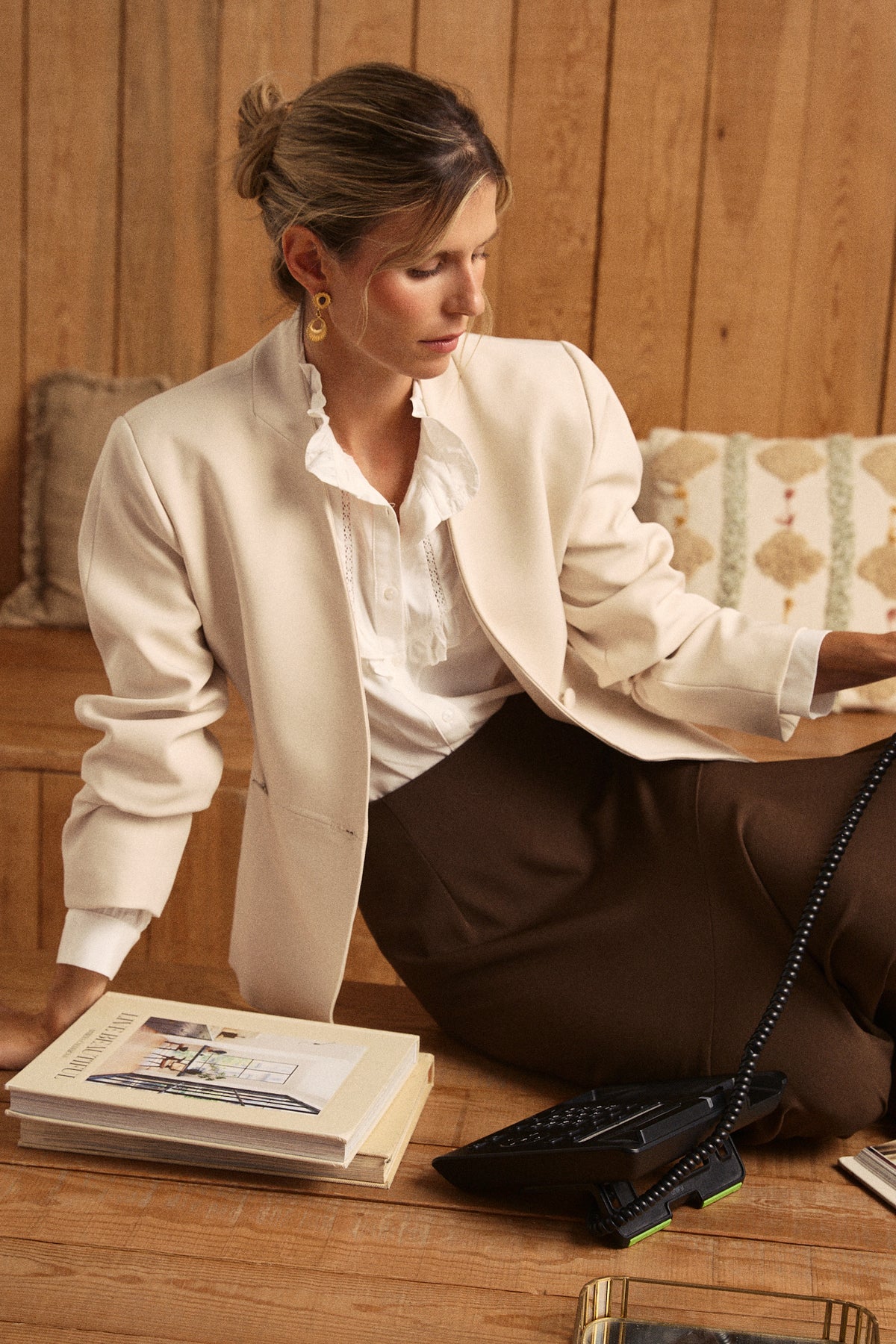
Pregnancy work look
- Straight-leg maternity trousers
- Draped blouse
- Open blazer
- Comfortable structured shoe
Convey professionalism without stiffness.
Discover our collection of maternity clothes for pregnant women and find the perfect outfit.
Casual maternity look
- Midi knit dress
- Clean sneakers
- Long cardigan
A balance between comfort and polished style.
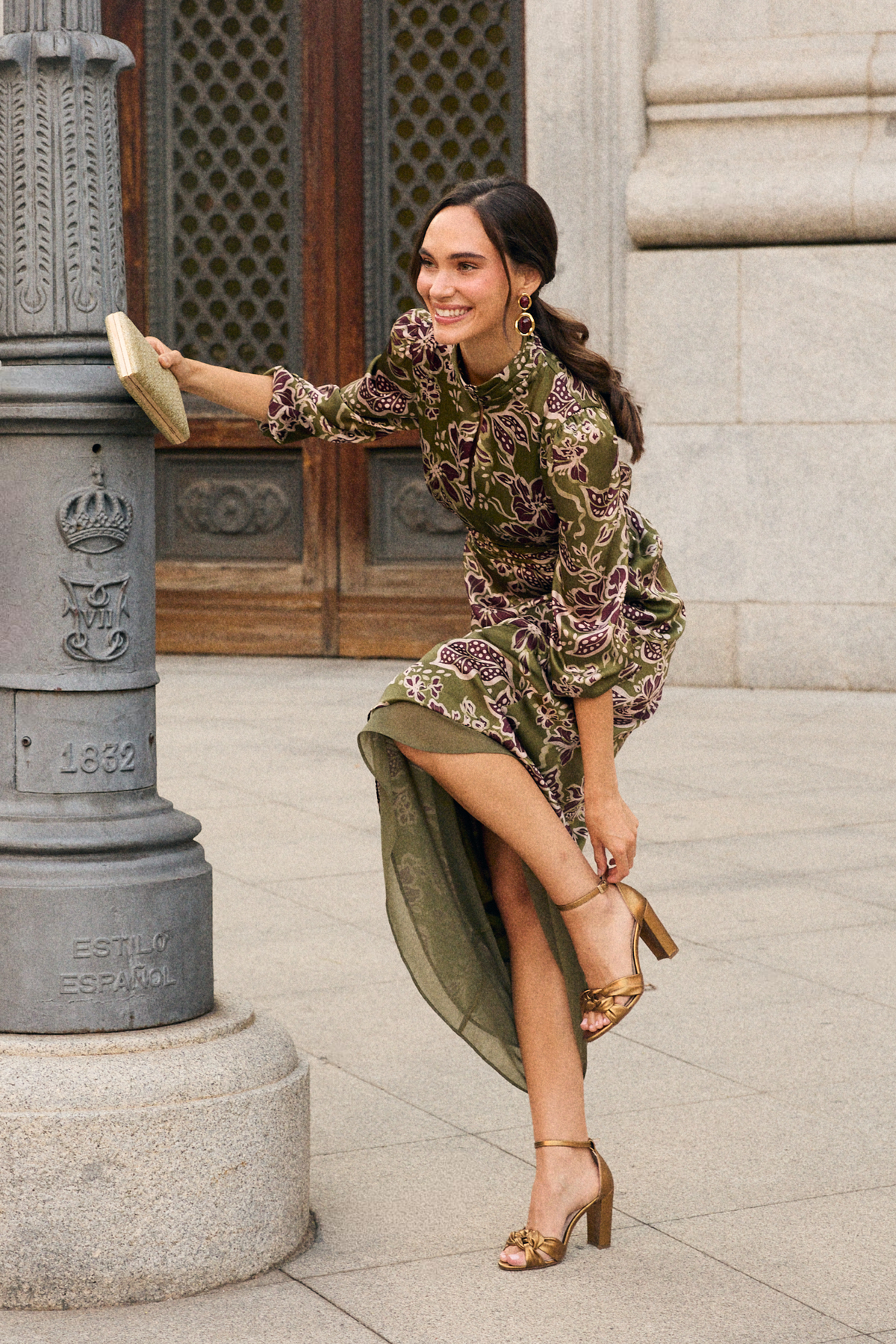
Pregnancy outfit for a special event
- Wrap dress or empire waist dress
- Stable sandal
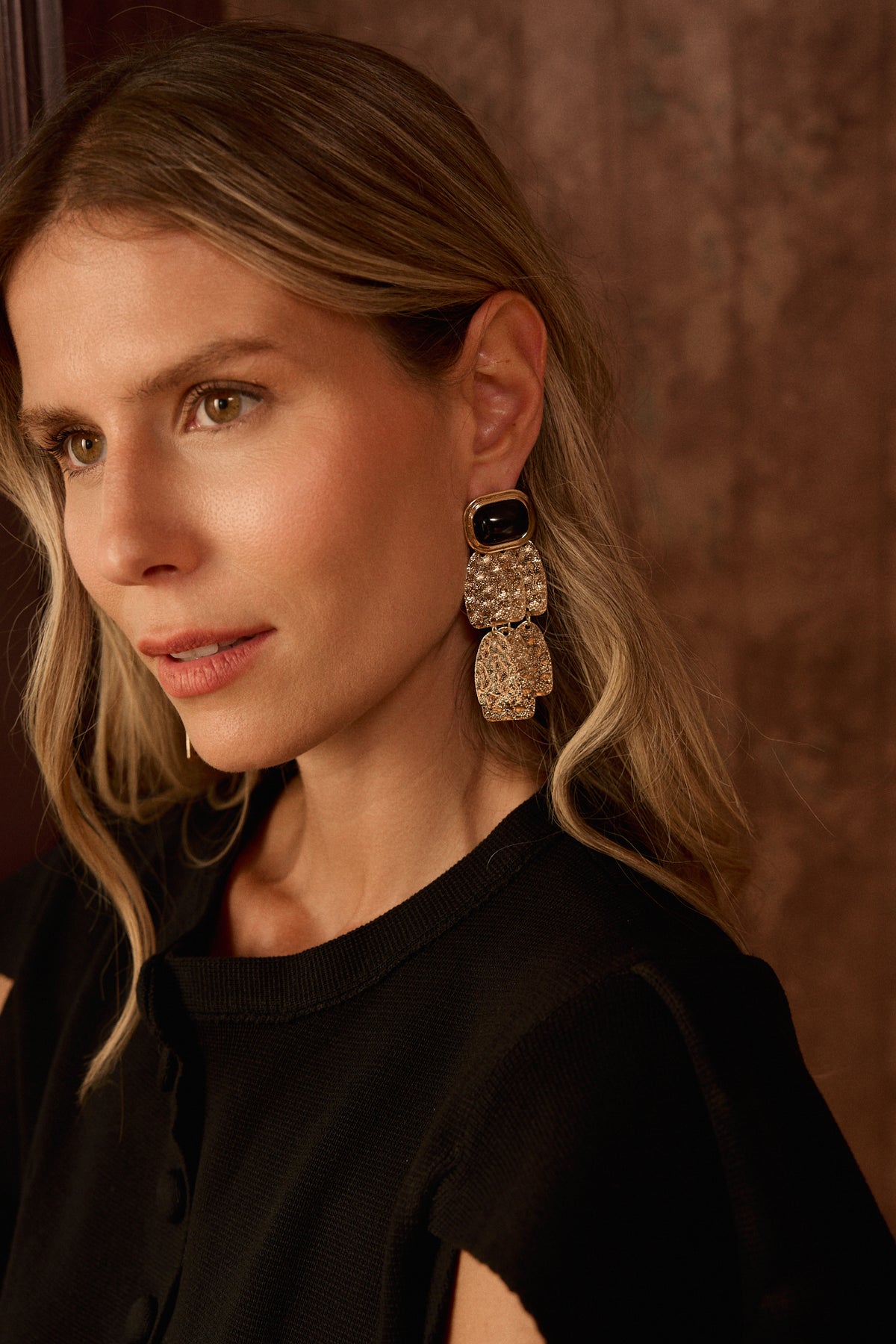
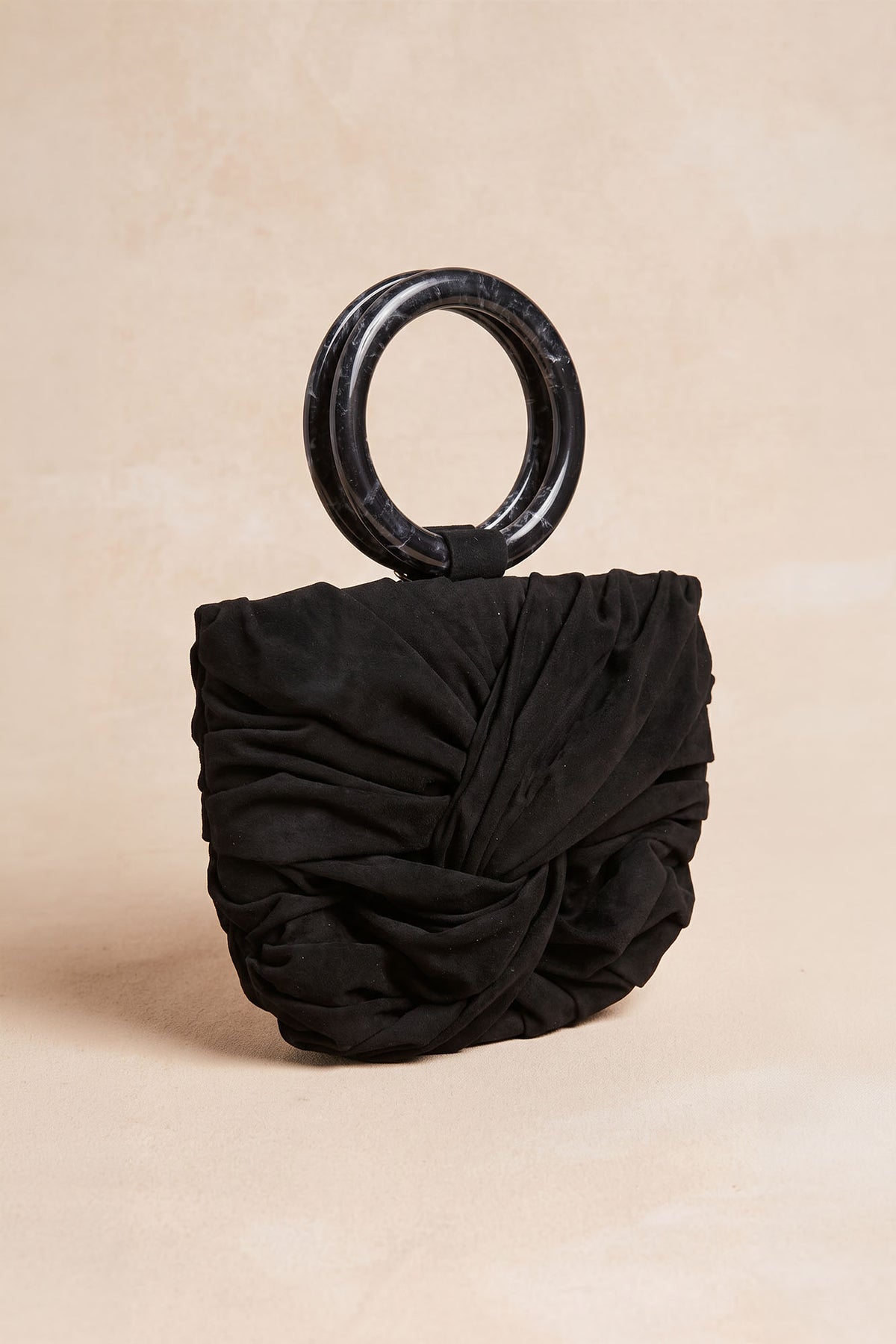
- Subtle accessory
Choose fabrics with controlled movement and avoid excessive structure.
Discover our collection of guest dresses for pregnancy and breastfeeding.
Which fabrics are most recommended during pregnancy?
- Cotton with elastane
- Viscose with good drape
- Quality knitwear with good recovery
- Silk with slight stretch
Avoid rigid fabrics or those with little ability to adapt.

Frequently asked questions
When should you start wearing maternity clothes?
It depends on each body. Many women start wearing it in the second trimester, when pressure around the waist becomes uncomfortable.
Can you wear fitted clothing while pregnant?
Yes. As long as the fabric has sufficient stretch and does not cause compression.
Is it necessary to change your entire wardrobe?
No. Many garments can still be worn when combined with strategic maternity pieces.
Which silhouette is most flattering during pregnancy?
Empire waistlines, V-necklines, and high-waisted trousers help balance proportions.