


Clothing for the daytime fair: what to wear if you're not dressing as a flamenco dancer
If you’re looking for clothes to wear to a daytime fair, the most useful answer is quite clear: what usually works best is a midi dress, a skirt with movement, a two-piece set, or wide-leg trousers with a special top, always in lightweight fabrics, with comfortable footwear and accessories that have a festive feel. If you don’t want to wear a flamenco dress, this is the formula that works best for the occasion.
The question is not usually just about aesthetics. It’s practical too. You want to look polished, fit in with the fair atmosphere, and comfortably get through a long day among casetas, walks, heat, and sandy ground. This guide is designed to help you decide what to wear, what to avoid, and how to put together a daytime look that makes sense for a fair. And if you prefer to go straight to suggestions already designed for this setting, Polín et Moi’s Feria collection brings together dresses, sets, and accessories designed specifically for this type of occasion.

What to wear to a daytime fair
If you need a quick answer, these are the options that usually work best for a daytime fair:
– plain or patterned midi dress
– flared skirt with a special blouse
– coordinated two-piece set
– palazzo trousers with a feminine top
– espadrilles or comfortable sandals
– statement earrings and a small handbag
These combinations work well in a fair setting because they combine femininity, comfort, and a festive touch without going overboard. You don’t need to imitate a flamenco dress to dress appropriately.
What makes a good daytime fair look?
A daytime fair has its own dress code. It doesn’t call for wedding-guest attire, but just any casual look won’t work either. There is a clear intention to dress up, give prominence to color and movement, and incorporate certain details that connect with the surroundings.
A good daytime fair look usually brings together these features:
– looks bright and polished
– lets you walk and spend many hours outdoors
– has a feminine and special touch
– fits the occasion without looking like a costume
The key is to create an outfit that complements the atmosphere. In Seville, as at other fairs such as those in Jerez de la Frontera, Córdoba, or Málaga, this means taking into account the heat, the sandy ground, the hours spent standing, and the fact that your look needs to carry you through the entire day.
Which clothes work best for a daytime fair
Not all garments work equally well for this type of occasion. Some, because of their shape or fabric, are much better suited to the reality of a fair.
Midi dresses
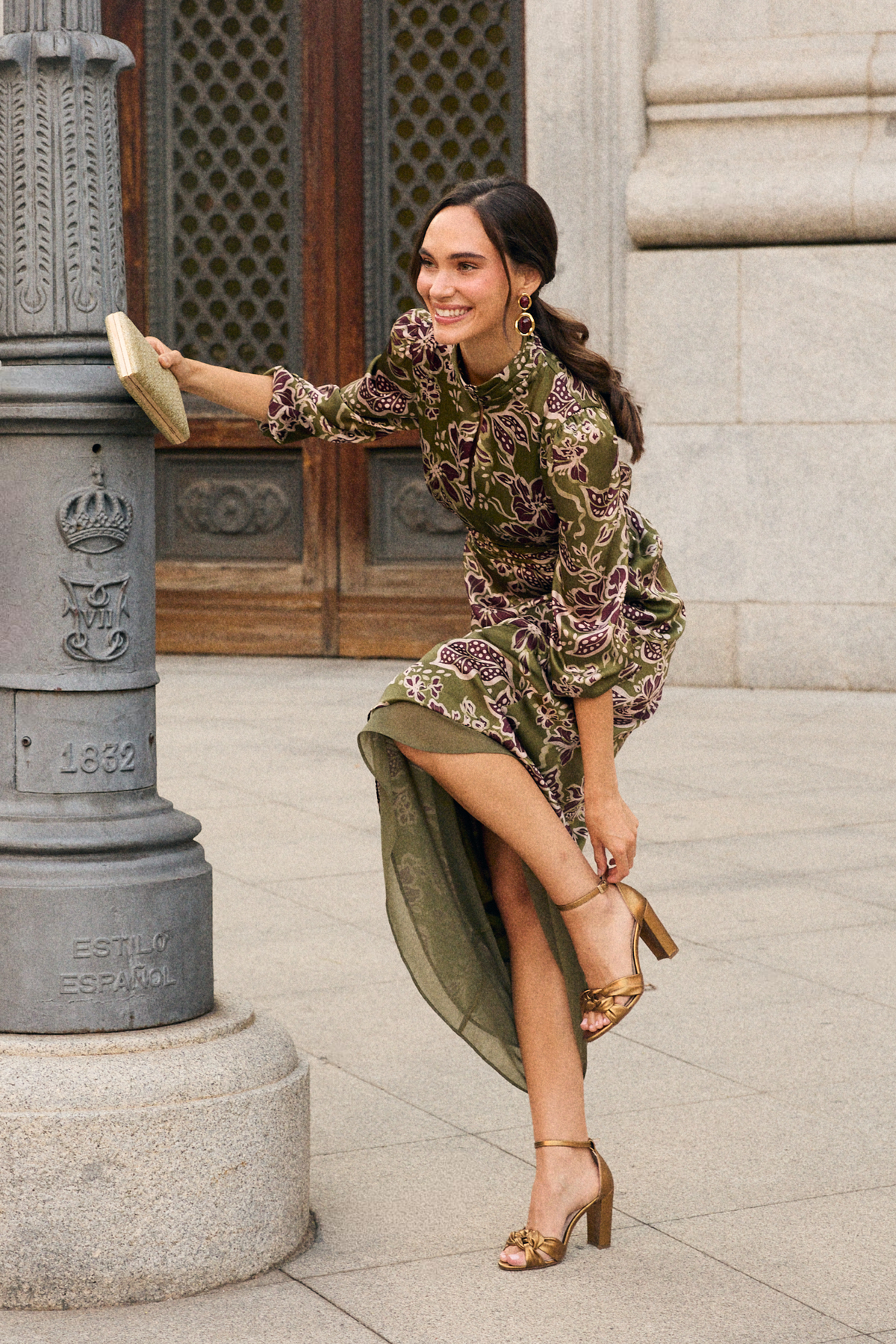
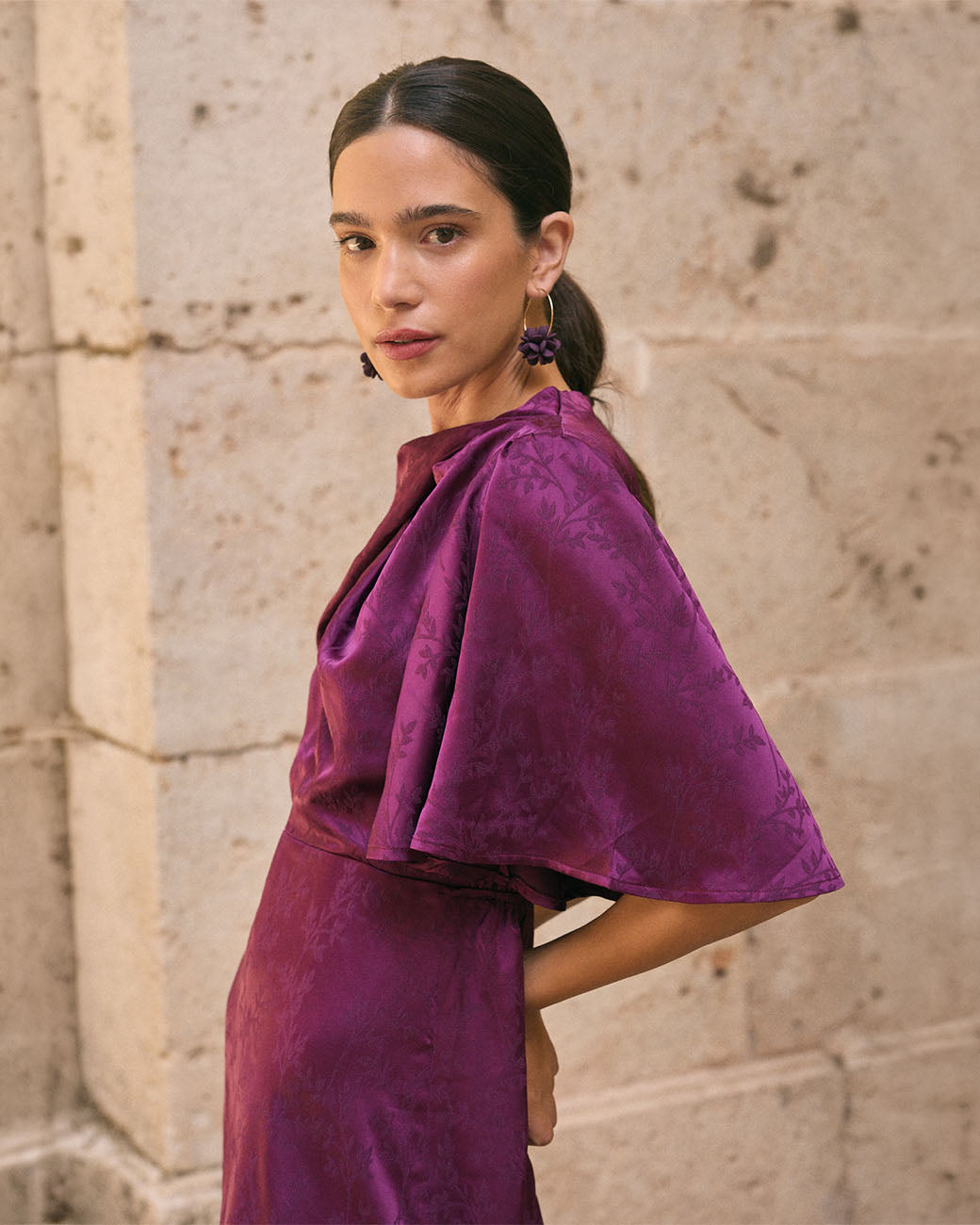
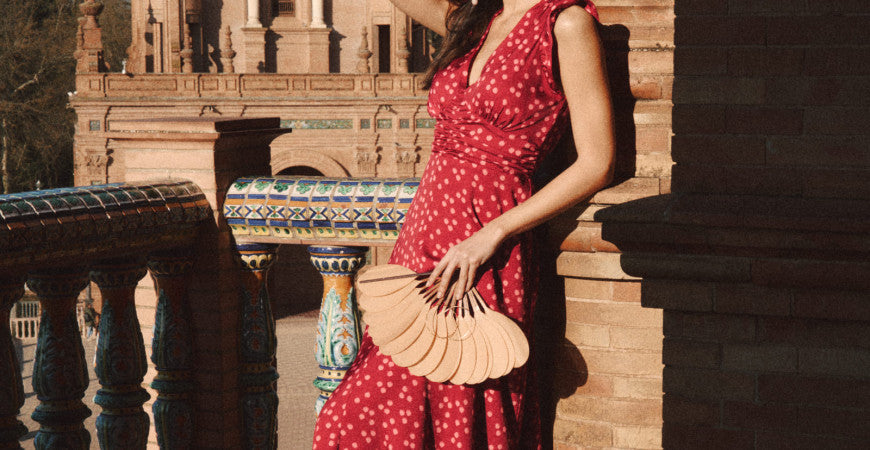
The midi dress is probably the garment that best fits what you’re looking for. It has the right length to let you move comfortably, maintains a feminine aesthetic, and doesn’t require much effort to make the outfit look put-together.
It works especially well when it has:
– slight flare
- lightweight, breathable fabric
- a floral print or a striking color
- soft sleeves, a balanced neckline, or some special detail
It is an easy option to wear and easy to complete. With a pair of espadrilles and some pretty earrings, the look is already very close to being finished.
Flowing skirts
A midi or long flowing skirt fits the fair atmosphere very well. It has visual presence, moves beautifully as you walk, and allows you to play with more distinctive or simpler blouses depending on the effect you are looking for.
This type of combination works best when one of the two pieces takes center stage and the other supports it. If the skirt has a print, a cleaner blouse is preferable. If the blouse has volume or romantic detailing, it is best for the skirt to be more understated.
Two-piece sets
Two-piece sets are one of the best options if you want a polished result without making things too complicated. A top and skirt, blouse and trousers, or two visually coordinated pieces create a well-put-together fair look that remains highly versatile afterward.
They also have a clear advantage: they allow you to wear the pieces separately for other occasions. That makes them an especially appealing choice if you are looking for a purchase you can get plenty of use from.
Palazzo trousers or wide-leg trousers
If you do not feel like wearing a dress, trousers can work very well. Not just any trousers, though. For a daytime fair, a wide-leg design with good drape and lightweight fabric usually works better than a very stiff or overly urban-looking garment.
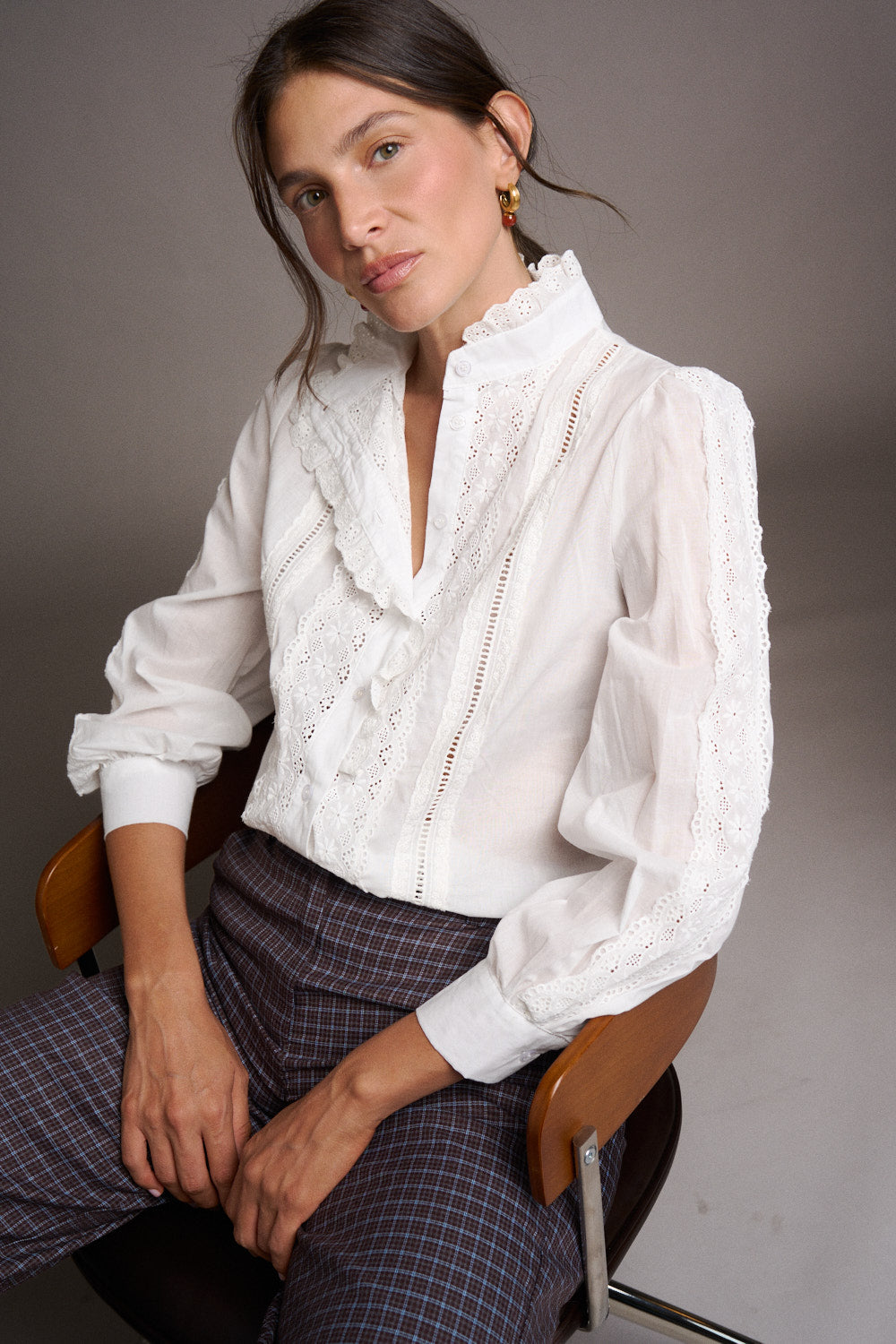
Palazzo trousers work especially well because they visually elongate the figure, move beautifully as you walk, and maintain a polished look. To make them really work in this setting, it is a good idea to pair them with a top that has some personality: a feminine blouse, a detailed top, or a delicate shirt.


Which colors and prints make the most sense?
The fair welcomes color. More than that: it celebrates it. It is one of those settings where bright shades and floral prints fit in naturally.
The colors that tend to work best are:
- red
- bougainvillea
- dusty pink
- green
- indigo or sky blue
- off-white
- cream tones
Floral prints also make a great deal of sense, especially when they are not excessive or overly busy. They add that festive touch that works well with the fair without resorting to more obvious styling choices.
If you prefer a more understated look, a plain dress or an outfit in a soft shade can work just as well, as long as you pair it with accessories that give it a little more definition.
What shoes should you wear to the daytime fair?
This point is crucial. The best look can fall apart if the footwear is not chosen well. At the Real de la Feria, the sandy ground completely changes the logic of what shoes to wear.
Espadrilles
Espadrilles are one of the most practical choices for the fair. They add height, flatter the figure, and are far more sensible than a stiletto heel on uneven ground. They work very well with dresses, skirts, and wide-leg trousers.
Discover our handcrafted women's espadrilles.
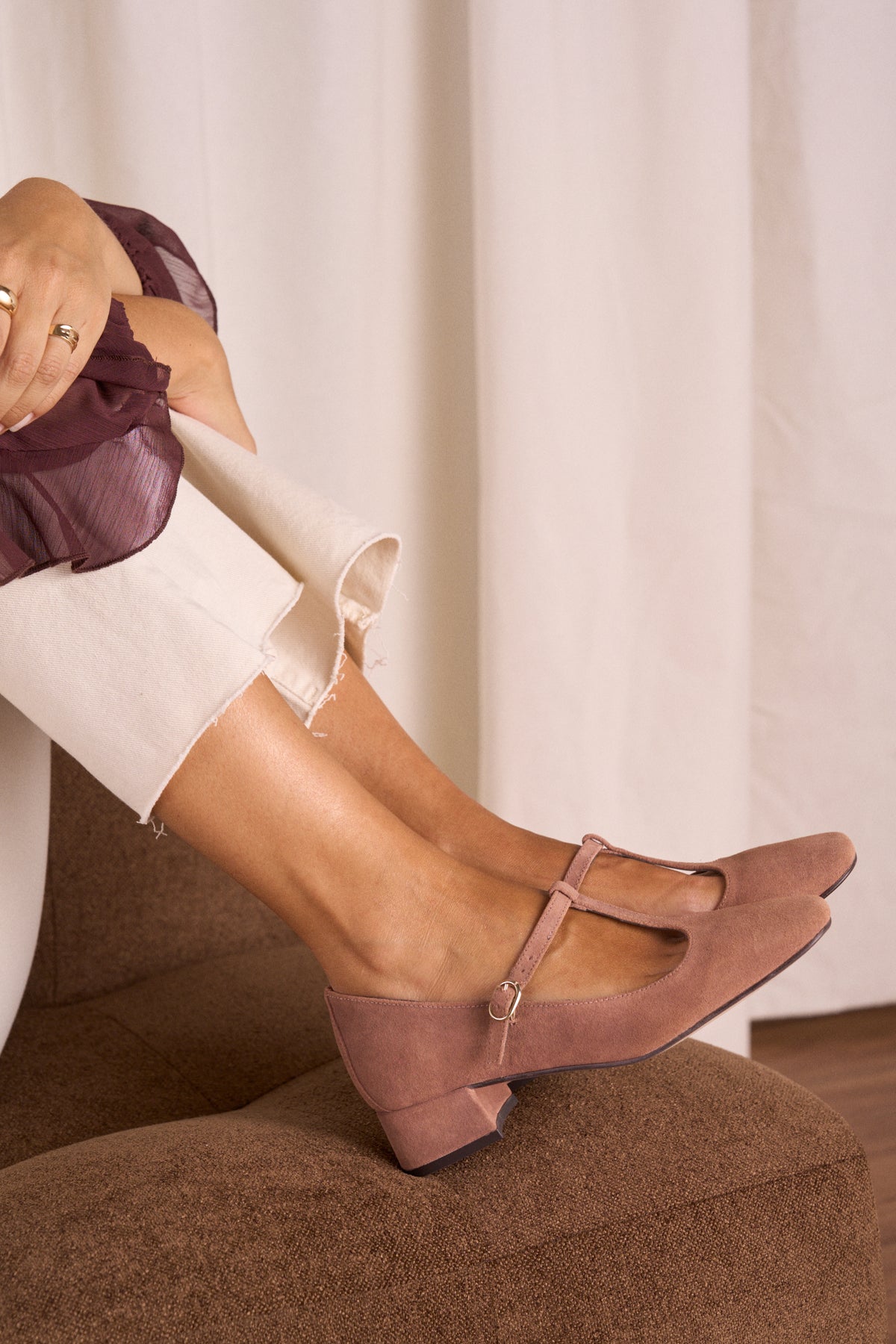
Mid-heel or platform sandals
They also work well if they are stable and secure the foot properly. The fair is not the place for delicate or difficult-to-wear shoes. What you are looking for here is a balance between style and durability.
Explore our women's sandals.
What to avoid
There are three common mistakes:
- thin heels on the fairground dirt
- stiff shoes that you have not worn before
- very flat footwear if you are going to spend many hours walking
Comfort is not a secondary detail. It is part of making the look work.
How to dress for a daytime fair booth
Going for a short walk around the fair is not the same as spending half a day in a booth, eating there, and lingering over lunch. In that context, the look needs to withstand more time, more heat, and more movement.
For a daytime fair booth, these work especially well:
- midi dress in a lightweight fabric
- two-piece outfit
- skirt with a lightweight blouse
- comfortable espadrilles
- small, lightweight bag
It makes sense to dress up a little more here, but without sacrificing practicality. If you know you will be there for many hours, it is worth simplifying the styling rather than overloading it.
How to go to the fair if you do not want to wear a flamenco dress
This is one of the most frequently asked questions. Many women want to know what to wear to the fair without dressing as a flamenco dancer, but also without looking as though they are going to any other kind of event.
The answer lies in translating the spirit of the fair into the language of everyday fashion. This means working with:
- color
- flowing fabrics
- feminine silhouettes
- stylish accessories
- appropriate footwear
There is no need to replicate the traditional regional costume. It is enough to understand the setting. A floral dress, a flared skirt, a brightly colored outfit, or wide-leg trousers with a special blouse can fit perfectly.


Accessories that make sense for the fair
Accessories help take the look into more festive territory. Here, it is best to choose one or two clear focal points rather than adding too many elements at once.
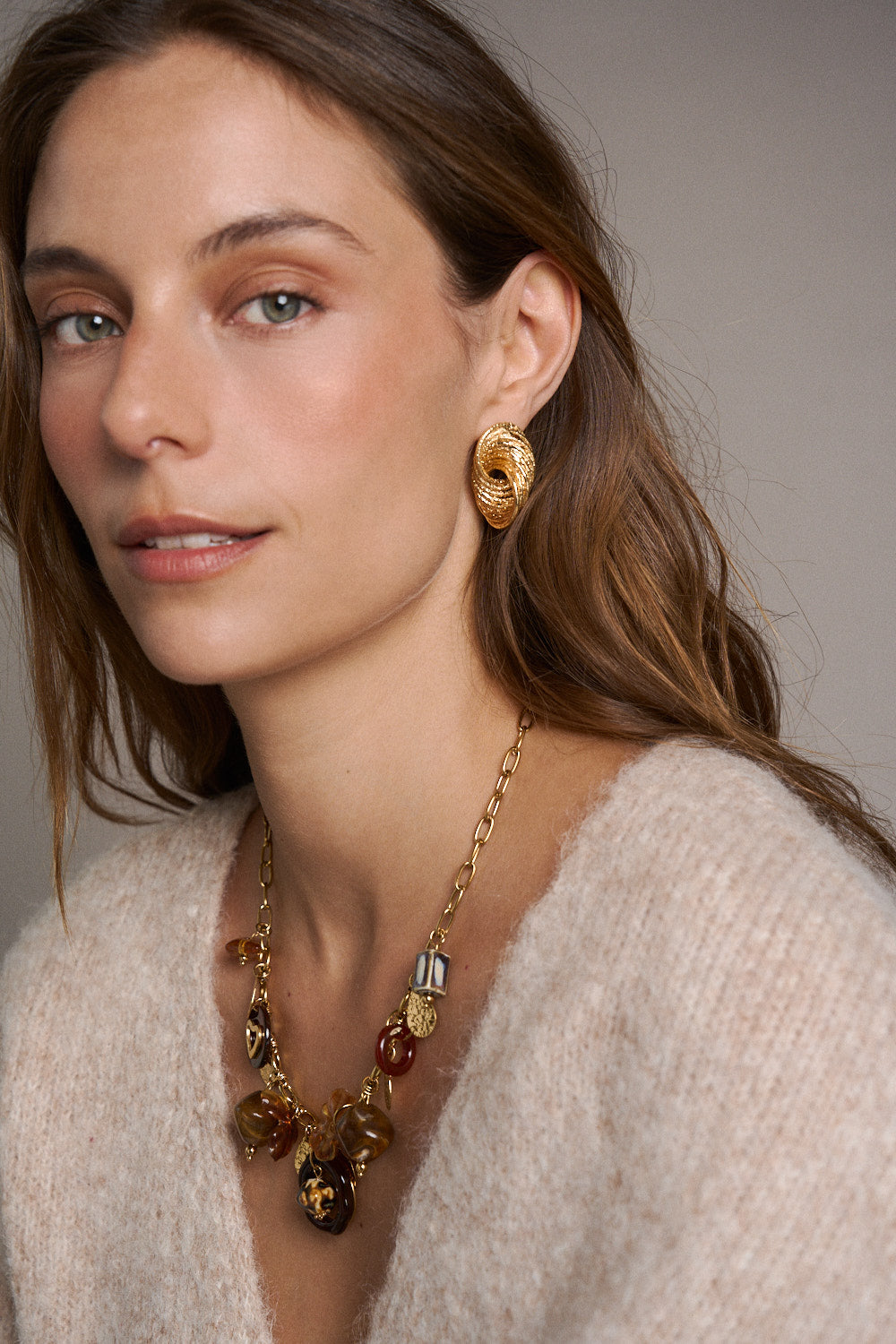
Statement earrings
They work very well because they frame the face and add a visible touch without taking up too much space. They can easily elevate a simple dress or a plain blouse.
Flowers or a detail in your hair
There is no need to create a flamenco hairstyle to incorporate this touch. A discreet flower, a special headband, or a pretty hair clip may be enough.
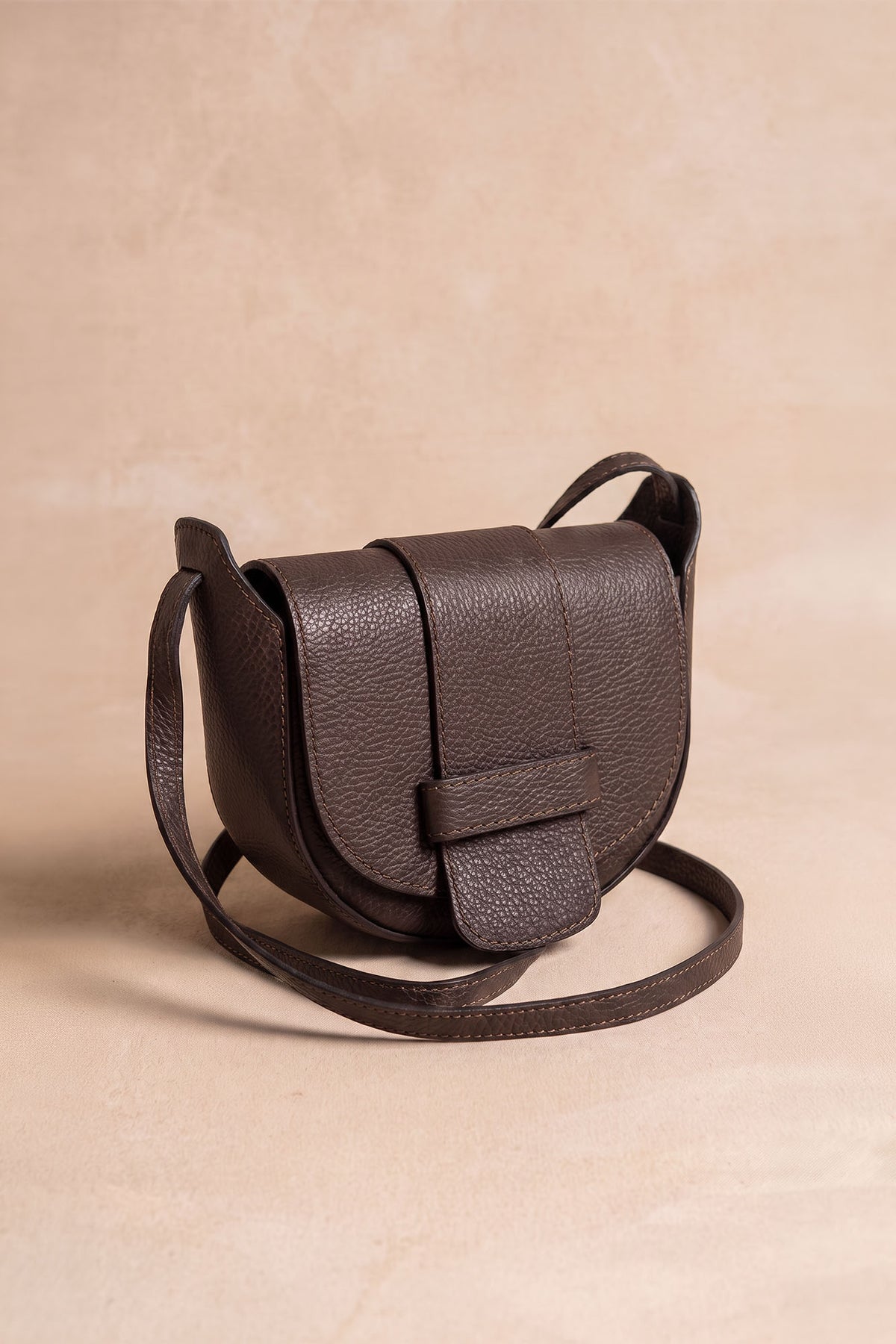
Small bag
Best if it is comfortable, lightweight, and easy to carry. The fair is not the place to carry too much, so it is best to solve this with a practical piece that also has some aesthetic intention.
Fair looks for women based on the type of plan
If you are going for the whole day
A midi dress or a comfortable set, espadrilles, and lightweight accessories are best. The longer the plans, the more sense it makes to choose a simple, well-thought-out formula.
If you are going to eat at a fair tent
You can opt for a somewhat more elaborate outfit: a special fabric, a more eye-catching earring, or a more carefully coordinated combination of pieces.
If you do not want to wear a dress
Palazzo trousers, a feminine blouse, and stable footwear. It is a very suitable option if you style the accessories well.
If you prefer a more classic look
A floral or plain dress, neutral espadrilles, and a small bag. It is a combination that almost always works.
Common mistakes when choosing clothes for the daytime fair
There are several recurring mistakes worth keeping in mind.
One of them is thinking that any polished look works for the fair. That is not the case. The setting calls for a certain aesthetic sensibility. Another very common mistake is prioritizing appearance over comfort, especially when it comes to shoes.
Excess is also a common pitfall: too many ruffles, too many accessories, or too many elements competing with one another. When one part of the look already makes a statement, the rest should complement it.
There is another important point: improvising. The fair is more enjoyable when your outfit has been planned in advance and does not require adjustments along the way.
Where can you find inspiration for dressing for the fair?
The most useful inspiration is not usually the most extravagant, but rather what helps you imagine what you would genuinely wear for a full day. In that sense, a specific selection of clothes for this setting is much more practical than a generic search.
Our fair clothing collection is designed precisely for that: to help you find dresses, coordinated sets, and accessories that work for a daytime fair look without having to wear a flamenco dress. At Polín et Moi, we want to offer you a more direct way to turn inspiration into real, easy-to-coordinate options.

Frequently asked questions about what to wear to the daytime fair
What should you wear to the daytime fair if you’re not wearing a flamenco dress?
The most common choices are a midi dress, a skirt with a special blouse, a two-piece set, or wide-leg trousers with a feminine top.
Can you wear trousers to the April Fair?
Yes. Palazzo or wide-leg trousers, paired well with a blouse and suitable accessories, can be a perfect fit for the daytime fair.
What shoes should you wear to the fairgrounds?
Espadrilles and stable sandals are usually the best option. The sandy ground makes thin heels impractical.
How should you dress for a daytime fair tent?
With a polished yet comfortable look: a dress, coordinated set, or skirt with a blouse, in bright or soft colors, and thoughtfully chosen accessories without going overboard.